Contribute to the collection
Help preserve history at its source.
Objects become historically meaningful when they are preserved with their stories, provenance, documentation, and connections to the people who made and used them.
What belongs in a history museum?
Historical significance is not limited to rare or pristine objects. A well-used disc, tournament document, photograph, letter, prototype, piece of artwork, uniform, trophy, publication, business record, or personal archive may preserve evidence found nowhere else.
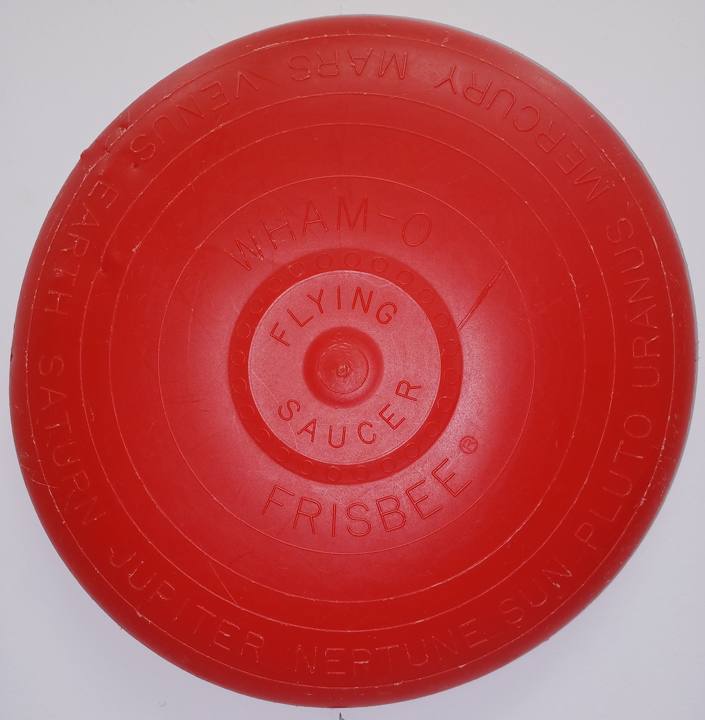
- Early Flying Disc and disc golf objects, designs, prototypes, and packaging
- Player, event, course, club, association, manufacturer, and retailer history
- Photographs, film, audio, correspondence, publications, records, and ephemera
- Championship, innovation, art, community, and international history
- Collections with firsthand knowledge, documentation, or clear provenance
Our stewardship commitment
Professional care from context to collection.
Documented
Accepted material is accessioned and cataloged with identifiers, provenance, rights, condition information, relationships, source documentation, and appropriate photography.
Protected
Collection material is housed in protected, climate-controlled storage, with locations and movements documented and access managed according to preservation, security, and research needs.
Connected
Objects are connected with people, organizations, events, places, publications, and related materials so future exhibitions and research can recover their full meaning.
Attribution is part of preservation
When approved, the museum records and presents a contributor’s preferred credit line and explains how the contribution strengthened the historical record. Recognition may appear in catalog records, exhibitions, publications, news stories, or the Supporters & Contributors page as appropriate.
Public recognition is discussed with contributors and kept separate from private contact information, agreements, valuations, and restricted provenance.
How an offer is reviewed
- Start a conversation. Tell us what you have, how it relates to Flying Disc history, and what is known about its story.
- Share context. Photographs, names, dates, documents, and firsthand knowledge help establish significance and provenance.
- Museum review. We consider mission fit, significance, condition, documentation, rights, duplication, storage, and long-term care requirements.
- Written agreement. Accepted gifts, loans, or other transfers are documented before material changes custody.
- Accession and care. Material is identified, documented, photographed, located, and connected to the wider collection record.
Begin with a confidential conversation.
Please contact the museum before shipping or delivering material. An inquiry does not obligate you to contribute or obligate the museum to accept an offer.
The museum does not provide appraisals, valuations, tax advice, or authentication solely for commercial purposes. Acceptance, ownership transfer, access, display, digitization, and recognition are governed by the applicable written agreement.